




Arthritis in Children: Understanding Juvenile Idiopathic Arthritis and Supportive Care
Dr. Srinath D | Last Updated: 11 March 2024
Introduction
Juvenile Idiopathic arthritis (JIA) is a type of arthritis that affects children and teenagers. While most people tend to associate arthritis with old age, arthritis can affect individuals of all ages, including children. JRA is a condition that can cause pain, swelling and stiffness in the joints and can impact a child's quality of life. It is essential that parents and caregivers understand the condition and its supportive care options to help their children cope with JRA.
What is Juvenile Idiopathic Arthritis?
Juvenile Idiopathic arthritis (JIA) is a chronic autoimmune disease that causes joint inflammation and stiffness. JIA can affect any joint in the body and can cause damage to the joint tissues if left untreated. There are three types of JIA: pauciarticular, polyarticular, and systemic.
Pauciarticular JIA: This type of JIA affects four or fewer joints and is the most common type of JRA. It primarily affects girls, and the joints most commonly affected are the knees, ankles, and wrists.
Polyarticular JIA: This type of JIA affects five or more joints and can affect any joint in the body. It is more common in girls than boys and can cause significant joint damage.
Systemic JIA: This type of JIA affects the whole body and can cause fever, rash, and inflammation in other organs like the heart, liver, and spleen.
Symptoms of Juvenile Idiopathic arthritis (JIA)
It’s also possible that a child may start off with one type of JIA but develop symptoms of another type later. The most common symptoms include:
1. Joint pain or stiffness; may get worse after waking up or staying in one position too long.
2. Red, swollen, tender or warm joints
3. Feeling very tired or rundown (fatigue).
4. Blurry vision or dry, gritty eyes.
5. Rash.
6. Appetite loss.
7. High fever.
There are six types of JIA:
1. Oligoarthritis: Affects four or fewer joints, typically the large ones (knees, ankles, elbows). Most common subtype of JIA.
2. Polyarthritis: Affects five or more joints, often on both sides of the body (both knees, both wrists, etc.). May affect large and small joints. Affects about 25% of children with JIA.
3. Systemic: Affects the entire body (joints, skin and internal organs). Symptoms may include a high spiking fever (103°F or higher) that lasts at least two weeks and rash. Affects about 10% of children with JIA.
4. Blurry vision or dry, gritty eyes.
5. Psoriatic arthritis (PsA): Joint symptoms and a scaly rash behind the ears and/or on the eyelids, elbows, knees, belly button and scalp. Skin symptoms may occur before or after joint symptoms appear. May affect one or more joints, often the wrists, knees, ankles, fingers or toes.
6. Enthesitis-related: Also known as spondyloarthritis. Affects where the muscles, ligaments or tendons attach to the bone (entheses). Commonly affects the hips, knees and feet, but may also affect the fingers, elbows, pelvis, chest, digestive tract (Crohn’s disease or ulcerative colitis) and lower back (ankylosing spondylitis). More common in boys; typically appears in children between the ages of eight and 15.
7. Undifferentiated: Symptoms don’t match up perfectly with any of the subtypes, but inflammation is present in one or more joints.
JIA symptoms may also come and go. Periods of lots of inflammation and worsening symptoms are called flares. A flare can last for days or months.
Diagnosing Juvenile Idiopathic arthritis (JIA)
Medical history. The doctor will ask questions about the child’s health history, when symptoms started and how long they lasted. This helps rule out other causes like trauma or infection. The doctor will also ask about the family's medical history.
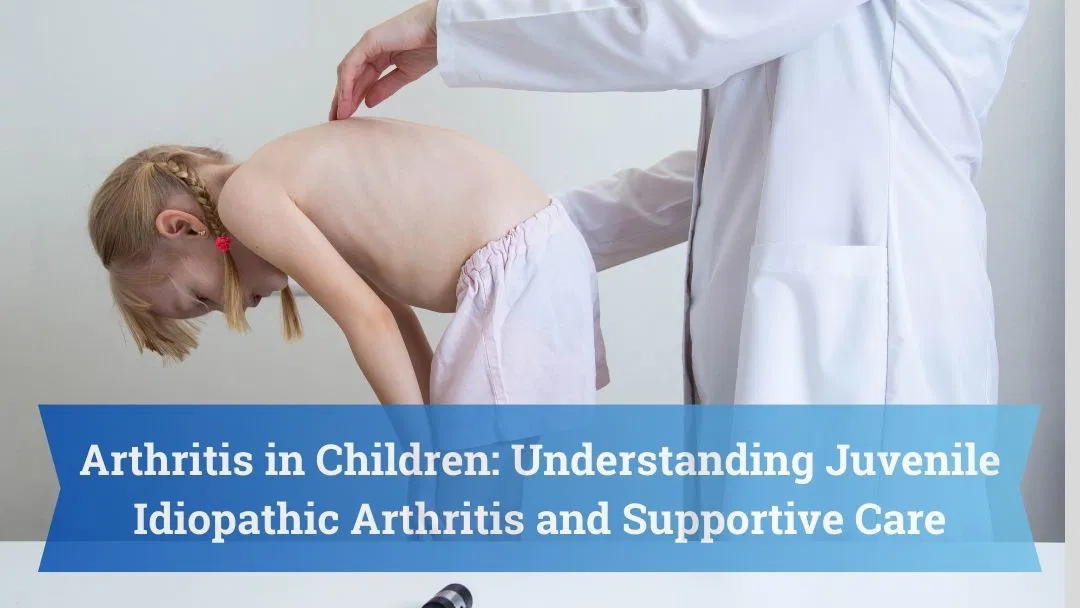
Physical examination. The doctor will look for joint tenderness, swelling, warmth and painful or limited movement and test range of motion. Eyes and skin may also be checked.
Laboratory tests. The doctor may order blood tests that look for certain proteins and chemicals found in some people with arthritis. These tests include:
-
Erythrocyte sedimentation rate (ESR, or “sed rate”) and C-reactive protein (CRP) tests: High ESR rates and CRP levels signal severe inflammation in the body.
-
Antinuclear antibody (ANA) test: A positive ANA test is associated with many types of arthritis, but kids without JIA may also have a positive ANA.
-
Rheumatoid factor (RF) test: May show up in children with polyarthritis. A positive rheumatoid factor may signal more serious disease.
-
HLA-B27 typing (a genetic marker): The HLA-B27 gene is associated with enthesitis-related types of arthritis, such ankylosing spondylitis.
-
Complete blood count (CBC): Raised levels of white blood cells and decreased levels of red blood cells is linked to certain types of arthritis.
-
Imaging. The doctor may order imaging tests, such as X-rays, ultrasound and MRI or CT scans, to look for signs of joint damage.
Treatment Options for Juvenile Idiopathic arthritis (JIA)
There is no cure for JIA but remission (little or no disease activity or symptoms) is possible. Early aggressive treatment is key to getting the disease under control as quickly as possible.
The goals of JIA treatment are to:
-
Slow down or stop inflammation.
-
Relieve symptoms, control pain and improve quality of life.
-
Prevent joint and organ damage.
-
Preserve joint function and mobility.
-
Reduce long-term health effects.
-
Achieve remission (little or no disease activity or symptoms).
Common treatments for JIA include non-steroidal anti-inflammatory drugs (NSAIDs) to reduce pain and inflammation, disease-modifying antirheumatic drugs (DMARDs) to slow down the progression of the disease, and biologic agents that target specific cells in the immune system. Physical therapy and exercise are also important for children with JIA as they help maintain joint mobility and prevent muscle weakness.
Supportive Care for Children with Juvenile Idiopathic Arthritis
In addition to medical treatments, supportive care can help children with JIA manage their symptoms and improve their quality of life. Nutrition support can help children maintain a healthy weight and reduce the strain on their joints. Pain management therapies such as acupuncture and massage therapy can help reduce pain and improve joint mobility. Counseling or psychotherapy services can also be beneficial for children dealing with the emotional toll of living with a chronic condition.
Living with Juvenile Idiopathic Arthritis
Living with JIA can be challenging for children and their families. However, there are steps parents can take to help their child cope with the condition. It is important to create a supportive environment and encourage the child to participate in activities they enjoy. Parents can also help their child manage their symptoms by ensuring they take their medications, creating a healthy diet plan, and helping them manage their stress levels.
Conclusion
Juvenile idiopathic arthritis is a challenging condition that can impact a child's quality of life. However, with the right treatment and supportive care, children with JIA can live full and active lives. It is essential that parents and caregivers understand the condition and its supportive care options to help their children manage their symptoms and cope with the condition. With the right care and support, children with JIA can thrive.
How can we be of assistance to you today?
Our team of proficient orthopedic experts are readily available to offer their expertise and aid, whether you require advice or assistance. We are dedicated to aiding you in exploring a variety of options and answering any uncertainties or questions you may have. Our specialists will meticulously assess your circumstances and provide customized suggestions to assist you in determining the most appropriate course of treatment. So don't delay any longer! Schedule your consultation now and commence your path towards a life free of discomfort.